
Limit switch symbol guides engineers in creating safe and effective circuits
 James Roberts
 Limit switch symbols play a vital role in electrical and automation design by helping engineers interpret, design, and troubleshoot circuits with confidence. These standardized symbols act as a universal language, ensuring clarity across schematics and technical documentation. By mastering limit switch symbols, engineers can create systems that are not only efficient but also safe and reliable.
Understanding the Importance of Limit Switch Symbols
Limit switches are widely used in industrial and control systems to detect position, movement, or the presence of objects. Their symbols represent how the switch behaves within a circuit, making it easier to visualize system operations.
Key advantages include:
- Clear representation of switch states (normally open or normally closed)
- Simplified communication among engineers and technicians
- Improved accuracy in circuit design and analysis
- Reduced risk of wiring errors and misinterpretation
These symbols provide a structured way to interpret complex systems, helping teams collaborate effectively and deliver consistent results.
Enhancing Circuit Safety Through Symbol Knowledge
Safety is a top priority in any electrical system, and limit switch symbols contribute significantly to achieving it. When engineers understand these symbols, they can design circuits that respond correctly to physical limits and prevent damage or hazards.
How symbols improve safety:
- Enable precise placement of switches in control circuits
- Help define safe operational boundaries for machinery
- Support fail-safe design strategies
- Reduce the likelihood of unexpected system behavior
By integrating accurate symbols into schematics, engineers ensure that systems react appropriately under all operating conditions.
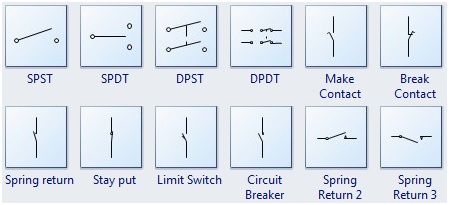
Supporting Efficient Circuit Design
Limit switch symbols streamline the design process by offering a clear and concise way to map out circuit functionality. Engineers can quickly identify how components interact and make necessary adjustments without confusion.
Design benefits include:
- Faster development of circuit diagrams
- Easier identification of logical connections
- Consistent documentation across projects
- Enhanced readability for maintenance teams
This efficiency not only saves time but also improves the overall quality of the design.
Improving Troubleshooting and Maintenance
When systems require maintenance or troubleshooting, limit switch symbols become essential tools. Technicians rely on these symbols to understand how the system is intended to function and where issues might occur. Proper use of limit switch symbol ensures reliable control operations.
Troubleshooting advantages:
- Quick identification of faulty components
- Clear understanding of circuit flow
- Reduced downtime during repairs
- Better communication between design and maintenance teams
Accurate symbols make it easier to diagnose problems and restore systems to optimal performance.
Best Practices for Using Limit Switch Symbols
To maximize the benefits of limit switch symbols, engineers should follow a few essential practices:
- Use standardized symbols consistently across all diagrams
- Clearly label each component for easy identification
- Maintain organized and updated schematics
- Verify symbol usage during design reviews
- Ensure all team members are familiar with symbol meanings
Adhering to these practices enhances both the reliability and usability of circuit designs.
Conclusion
Limit switch symbols are powerful tools that guide engineers in creating safe, effective, and efficient circuits. By understanding and applying these symbols correctly, professionals can improve design accuracy, enhance system safety, and streamline troubleshooting processes. As a result, limit switch symbols remain an essential element in modern electrical and automation engineering.